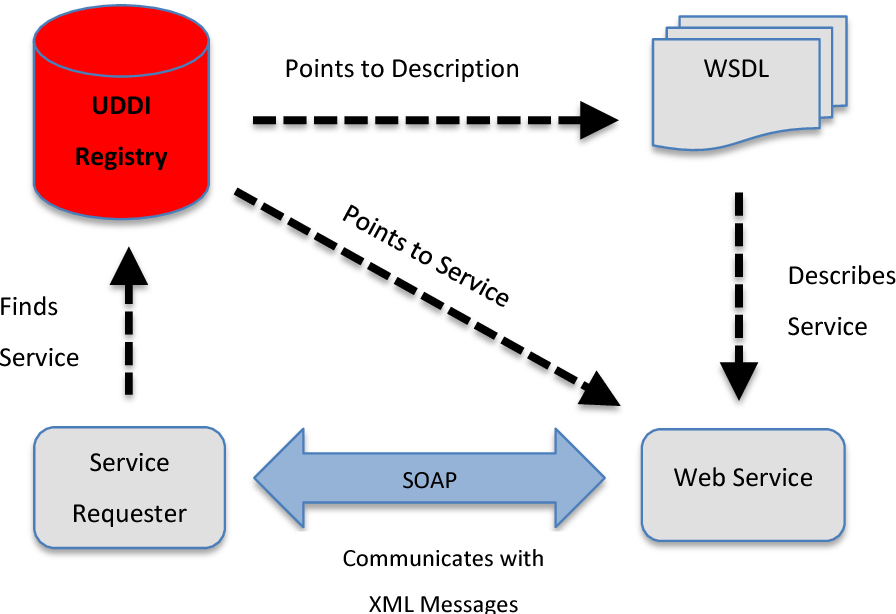
Chapter 8 - Information Security
Information security
Information Security
- Class model for information Security
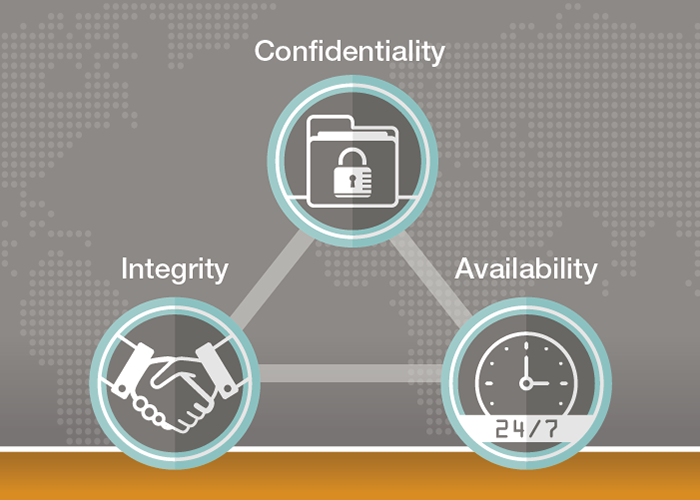
- Confidentiality (機密性)
- Integrity(完整性)
- Availablity(可用性)
Confidentiality
- refers to protecting information from being accessed by unauthorized parties.
- In other words, only the people who are authorized to do so can gain access to sensitive data.
Integraity
- refers to ensuring the authenticity of information
- that information is not altered, and that the source of the information is genuine(not fake/modified).
Availability
- that information is accessible by authorized users
Information Security of Web App
- Protected data stored e.g. encryption or restricted access to storage
- Protect communication
- between client and server e.g. TLS
- between distributed components TLS
- How to ensure who sends or requests data
- Identify each application with authentication, e.g. user name and password
- Certificates or tokens etc. to sign that data comes from a certain party (and that is hasn’t been altered on the way)
Application software architecture considerations
- Distributed software components and services
- own backend or distributed services around the Internet ?
- Can you rely on the “local” network e.g. docker environment?
- Intermediary components such as a message bus, Can you trust that only authorized parties access that service? i.e. messages received are from who they are
Web application security in general
- Keep an inventory of your web applications
- need to know which applications are being used
- Who is using them and for what purpose
- Who is responsible for maintaining, are their dependencies know
- Proritize your applications
- E.g. critical, normal, less important
- Based on sensitive information they contain or their criticality to operations
- Prioritize vulnerabilities
- Many applications have several vulnerabilities, prioritize which to eliminate
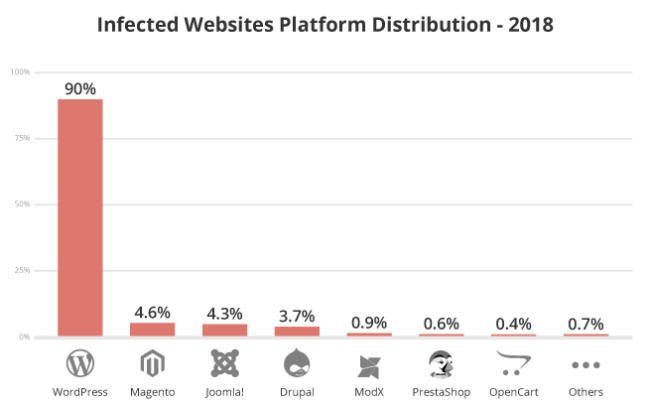
How to prepare for vulunerabilities
- Use least permissive application privileges possible
- Have protection in place, e.g. using firewalls
- bounty program(bug賞金獵人)
- Continuous monitoring of application instances and suspicious activity
- Identifed vulnerabilities in applications and libraries used
Tools and security technology
- Black box testing tools such as web scanners and penertration testing software
- Dynamic Application Security Testing (DAST) tools to automatically test cross-site scripting, SQL injection etc. generic vulnerabilities with miminum effort
- White box testing tools such as static code analyzers
- More specialized towards certain frameworks and libraries
- Web application firewall (WAF)
- Application level rules, e.g. detecting and filtering of certain types of HTTP requests
- Can also analyze response information to be returned
Qos
- Quality of Service
- Availability of the applications and systems
- Performance of the applications and system
- Mechanisms to achieve
- Over-provisioning (e.g. sufficient resources always available)
- Dynamic provisioning (e.g. clouds)
- Prioritation
- Planning (in advance )
SLA
- Service Level Agreement (SLA)
- defines the engagements between a provider and a consumer of a service
- The provider can be, for examle, a hosting provider, telecommunications service provider or SaaS provider.
- The consumers are those whose experience is affected by the SLA.
- defines the QoS and expresses itself typically in percentages or concrete amounts of contractual objectives.
- For example, a 99.5% of the time availability. A 7 minutes downtime during a week or on a daily, monthly or yearly level?
Data and semantics for interoperable systems
- Interoperability
- means using compatible means of communication as well as messages understood by all parties
- Using JSON or XML does not imply interoperability, it is only the encoding
- different protocols as well as means for discovery, binding and configuration can provide interoperability for applications compositions
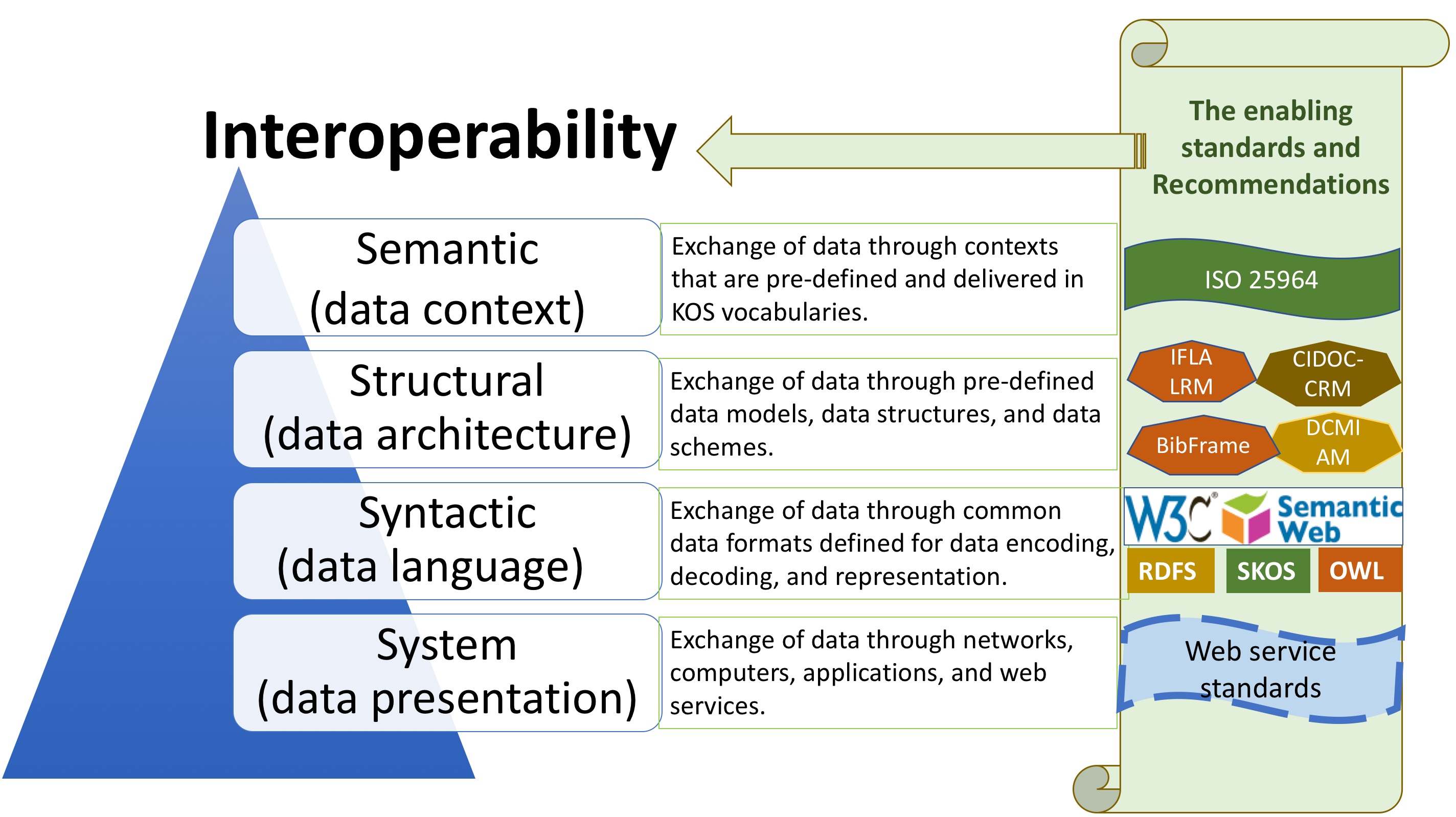
- Service composition compatibility